
Japanese moss terrariums transcend mere hobby; they’re miniature ecosystems embodying the serene aesthetic of Zen gardens. From meticulous moss arrangements to carefully chosen container materials, each element contributes to a tranquil, captivating display. This exploration delves into the artistry of crafting these miniature worlds, revealing the design principles, materials, and maintenance strategies behind this unique aesthetic.
Beyond the visual appeal, Japanese moss terrariums offer a pathway to mindfulness and a tangible connection to nature. The meticulous attention to detail required in their creation mirrors the practice of mindfulness, offering a soothing meditative experience.
Defining the Aesthetic
The Japanese moss terrarium aesthetic, a captivating blend of nature and artistry, has garnered significant popularity. This style transcends mere plant cultivation; it embodies a meticulous approach to miniature landscapes, drawing inspiration from Japanese aesthetics like wabi-sabi and the principles of Zen. The carefully curated micro-ecosystems evoke a sense of tranquility and profound appreciation for the beauty in simplicity.This aesthetic prioritizes harmony and balance, mirroring the Japanese philosophy of creating spaces that foster serenity and contemplation.
The meticulous attention to detail in the selection of materials and the arrangement of elements speaks to a profound respect for the natural world. The aim is to create miniature, self-contained worlds that evoke a feeling of calm and connection with nature.
Core Principles
The core principles underpinning the Japanese moss terrarium aesthetic revolve around creating a visually appealing and serene miniature environment. Key elements include the careful selection of moss varieties, the integration of natural elements, and the precise arrangement of components to achieve visual harmony. The philosophy of minimalism is essential, focusing on a few carefully chosen elements to create a sense of spaciousness and quiet contemplation.
Visual Elements
The visual characteristics of this aesthetic are crucial to its appeal. Color palettes often feature muted tones, drawing inspiration from the natural world, with earthy greens, browns, and grays dominating. Textures are highly significant, ranging from the soft, velvety texture of various moss types to the smooth, polished surfaces of rocks and stones. Shapes are often organic and asymmetrical, mimicking natural forms.
This emphasis on organic forms is a key feature that differentiates it from other terrarium styles.
Styles and Variations
While the core principles remain consistent, variations exist within the Japanese moss terrarium aesthetic. One style emphasizes the use of intricate rock formations and cascading moss, mimicking the appearance of a miniature mountain range. Another style focuses on creating a tranquil pond scene, incorporating small stones, pebbles, and perhaps a miniature figurine to create a serene water feature.
A third style might prioritize a Zen-like simplicity, with a few strategically placed elements and a focus on the beauty of bare space. These variations demonstrate the flexibility and adaptability of the aesthetic.
Comparison with Other Terrarium Styles
| Characteristic | Japanese Moss Terrarium | Contemporary Terrarium | Desert Terrarium |
|---|---|---|---|
| Color Palette | Muted, earthy tones (greens, browns, grays) | Vibrant, bold colors, often incorporating bright hues | Earthy tones, warm colors, including browns, tans, and oranges |
| Texture | Emphasis on soft, velvety moss textures, smooth stones | Variety of textures, including smooth, rough, and metallic | Emphasis on desert-like textures, including rough stones, gravel, cacti spines |
| Shapes | Organic, asymmetrical, mimicking natural forms | More geometric and symmetrical designs | Shapes reflect desert landscapes, including cacti forms, rocky outcrops |
| Overall Aesthetic | Tranquil, serene, minimalist, emphasizing harmony and balance | Modern, bold, dynamic, showcasing the artistic skill of the creator | Dry, arid, emphasizing the unique beauty of desert ecosystems |
The table above highlights the distinct visual characteristics that differentiate the Japanese moss terrarium aesthetic from contemporary and desert terrarium styles. The differences in color palettes, textures, and shapes contribute to the unique appeal of each style.
Materials and Components
Japanese moss terrariums, a microcosm of Zen garden principles, demand meticulous selection of materials. The carefully curated components, from the moss itself to the container, contribute to the overall aesthetic and longevity of the miniature ecosystem. The choice of materials reflects the delicate balance between nature and artistry.
Common Materials
The foundation of a successful Japanese moss terrarium lies in the materials used. Common materials include glass containers, various types of moss, decorative rocks, small figurines, and sometimes, specialized soil mixes designed for miniature gardens. The meticulous selection of these materials directly impacts the overall aesthetic and longevity of the miniature ecosystem.
Moss Selection Criteria
Choosing the right moss varieties is critical. The selection should consider factors such as texture, color, and growth habit. Japanese terrariums often favor mosses with a delicate, fine texture and vibrant, yet subtle, hues. The growth habit of the moss will dictate how it’s arranged and maintained within the terrarium. Different species have varying water retention needs, which should be factored into the selection process.
For instance, a fast-growing moss might require more frequent misting than a slower-growing one.
Moss Arrangement and Securing
The arrangement of moss within the terrarium is paramount to its visual appeal. Proper securing methods prevent the moss from shifting or becoming dislodged. Techniques include using small, specialized terrarium soil, which can provide support, or using small stones and pebbles to anchor the moss in place. The use of these techniques not only stabilizes the moss but also adds visual depth to the terrarium.
Container Selection
The container plays a crucial role in shaping the aesthetic. Glass containers, particularly those with a transparent nature, allow for full appreciation of the intricate arrangement within. Alternatively, containers made of ceramic or other materials can offer a unique aesthetic appeal. The shape and size of the container should complement the chosen moss types and desired arrangement.
For instance, a tall, narrow container might highlight cascading mosses, while a wider, shallower one would be ideal for a more compact arrangement.
Moss Type Suitability
| Moss Type | Texture | Color | Suitability for Japanese Terrariums |
|---|---|---|---|
| Japanese Sphagnum Moss | Delicate, fine | Green, with subtle variations | Excellent; often used for creating cascading effects |
| Sheet Moss | Flat, dense | Various shades of green, brown, or gray | Suitable for covering surfaces and creating a sense of depth |
| Fork Moss | Fine, delicate, fork-like | Green | Excellent for adding texture and visual interest |
| Haircap Moss | Fine, delicate, hair-like | Green, sometimes with a yellow tint | Ideal for filling small spaces and creating intricate patterns |
The table above presents a concise overview of various moss types and their suitability for Japanese terrariums. It highlights the crucial factors of texture, color, and the way these features contribute to the overall aesthetic of the terrarium.
Design Principles
Japanese moss terrariums, with their miniature ecosystems and serene aesthetics, are meticulously crafted. These miniature worlds hinge on carefully considered design principles, which translate the core tenets of Japanese aesthetics into a tangible, tactile form. Achieving the desired tranquility and visual harmony requires a deep understanding of minimalism, naturalism, and the art of negative space.The delicate balance of these principles creates a compelling and enduring appeal.
By incorporating these elements, practitioners can transform a simple container into a miniature masterpiece that evokes a sense of calm and contemplation.
Minimalism and Naturalism
Minimalism, a key component of Japanese design, is crucial in moss terrariums. It involves stripping away excess, focusing on essential elements. This manifests in carefully selecting and arranging moss types, avoiding cluttered compositions, and highlighting the natural beauty of the chosen plants and materials. Naturalism, similarly, emphasizes the unadulterated beauty of nature, showcasing the inherent textures and colors of moss, rocks, and other natural elements without artificial embellishments.
The aim is to replicate, in miniature, the raw elegance and tranquility of a natural environment.
Asymmetry and Negative Space
Asymmetry, a departure from symmetrical arrangements, adds visual interest and dynamism to the terrarium. Strategic placement of elements, like rocks and moss clumps, can create an organic and dynamic visual interplay, rather than a static, predictable composition. Negative space, the deliberate void between elements, allows the eye to rest and appreciate the individual components. This creates a sense of openness and allows the natural beauty of the moss and other elements to stand out.
Harmony and Balance
Harmony and balance are paramount in creating a cohesive and aesthetically pleasing terrarium. The placement of each element should contribute to a unified composition, reflecting a sense of equilibrium and balance. Careful consideration of color palettes, textures, and shapes is essential. This balance ensures that the terrarium does not feel overwhelming or disharmonious.
Tranquility and Serenity
Achieving tranquility and serenity within the terrarium relies on a combination of design choices and the inherent nature of the subject matter. Using calming colors, such as muted greens and grays, can contribute to a serene atmosphere. A harmonious interplay of textures, from the soft touch of moss to the rough edges of rocks, further enhances the tranquil ambiance.
The meticulous process of creating the terrarium itself can also be a meditative experience, adding to the overall sense of serenity.
Design Elements and Visual Impact
| Design Element | Visual Impact | Example | Explanation |
|---|---|---|---|
| Moss Variety | Adds depth, texture, and visual interest | Different shades of green moss, combined with varying textures | Using different types of moss creates a more dynamic and visually appealing terrarium. |
| Rock Selection | Provides structure and visual contrast | Smooth river rocks contrasting with rough, textured stones | The juxtaposition of different rock types adds visual interest and a sense of natural balance. |
| Color Palette | Creates a mood and feeling | Muted greens, grays, and browns | Subtle colors enhance the sense of calm and tranquility. |
| Negative Space | Creates visual breathing room | Strategic placement of rocks and moss with empty areas | Allows the eye to rest and appreciate the individual components. |
Arrangement and Composition
Japanese moss terrariums, with their meticulous detail and miniature landscapes, demand careful arrangement to achieve their full aesthetic potential. A well-composed terrarium creates a sense of tranquility and wonder, inviting viewers into a miniature world. The arrangement should not only showcase the beauty of the moss but also the interplay of light, shadow, and form.A key element in creating a compelling Japanese moss terrarium is the intentional use of depth and dimension.
This is achieved through strategic layering and the skillful placement of elements. This technique allows the viewer’s eye to travel through the miniature landscape, adding to the overall visual appeal.
Creating Depth and Dimension
Creating a sense of depth within a terrarium is crucial for its visual appeal. Employing different heights and textures of materials is a foundational aspect of this. For instance, placing taller plants or rocks in the background, and progressively smaller ones towards the foreground, naturally draws the eye through the space. This technique, similar to perspective in painting, generates a sense of three-dimensional space.
Varying the heights and textures of the moss itself, from dense clumps to delicate tufts, also contributes to this effect. Incorporating varying shades of green, achieved by selecting mosses with slightly different tones, also subtly enhances depth perception.
Layering Elements
Layering elements is essential for enhancing visual appeal and creating interest within the miniature world. This involves strategically placing elements at different heights and depths, with considerations for their size and shape. Rocks, stones, or miniature figurines should be positioned in a way that complements the overall aesthetic. Incorporating different textures, such as smooth stones alongside rough bark, adds complexity to the arrangement.
This technique is not just about layering items but also about creating a natural flow between them.
Incorporating Decorative Elements
Small decorative elements, carefully selected, can significantly enhance the terrarium’s aesthetic appeal. These can include miniature figurines, tiny figurines, or other small objects that fit the Japanese aesthetic. The key is to select elements that complement the existing composition, not overwhelm it. For instance, a small wooden bridge or a tiny pagoda can add a touch of elegance.
Consider the scale of the elements; they should be appropriate for the size of the terrarium. Avoid overcrowding the space; the focus should remain on the moss and the carefully crafted scene.
Considering Lighting
Natural or artificial lighting plays a crucial role in shaping the overall aesthetic of a Japanese moss terrarium. Direct sunlight can fade the moss, while insufficient light can diminish the vibrancy of the scene. Strategic placement of the terrarium in relation to a light source, whether natural or artificial, is key. Consider using diffused light to prevent harsh shadows that might detract from the delicate balance of the arrangement.
Observation of how light interacts with different elements in the terrarium, like moss and stones, is essential for proper placement.
Terrarium Layout Examples
| Layout | Description | Impact on Aesthetic | Example |
|---|---|---|---|
| Cascade | Elements cascade down the terrarium, mimicking a natural waterfall or flowing stream. | Dynamic, dramatic, and creates a sense of movement. | Use varying heights of rocks and plants, with moss cascading down the sides. |
| Zen Garden | Focuses on minimalism and balance, often featuring smooth stones, sand, and meticulously arranged moss. | Peaceful, meditative, and emphasizes simplicity. | Use carefully placed stones and sand, with moss in specific patterns, creating a calm atmosphere. |
| Miniature Landscape | Creates a miniature representation of a natural scene, such as a forest or a stream. | Detailed, immersive, and rich in visual interest. | Include various plants, rocks, and other elements that contribute to the natural scene. |
| Abstract Arrangement | Focuses on the interplay of textures, colors, and forms, without necessarily replicating a specific scene. | Modern, experimental, and visually engaging. | Use contrasting textures and colors in moss and other elements, creating a visually interesting, non-representational arrangement. |
Lighting and Display
A well-lit terrarium is crucial for maximizing its aesthetic appeal and showcasing the intricate details of the moss garden. Proper lighting enhances the visual texture and depth, transforming the miniature landscape into a captivating display. Careful consideration of the lighting and placement of the terrarium within the home’s decor is paramount to achieving the intended Japanese aesthetic.
Importance of Appropriate Lighting
The right lighting accentuates the delicate textures of the moss, highlighting the subtle variations in color and the intricate patterns within the arrangement. Poor lighting can flatten the overall effect, diminishing the beauty of the terrarium’s meticulous design. Selecting the appropriate light source and placement ensures the terrarium remains a focal point, not a dimly lit curiosity. This careful selection enhances the overall visual appeal and complements the serene, minimalist aesthetic.
Different Lighting Options and Their Impact
Several lighting options can be employed to illuminate the terrarium. Natural light, diffused by sheer curtains or strategically placed blinds, can provide a soft and gentle glow. Direct sunlight, while beneficial in some instances, should be carefully managed to prevent overheating and damage to the moss. Artificial lighting, in the form of LED strips, spotlights, or specialized terrarium lights, offers precise control over intensity and color temperature, allowing for dynamic displays.
Positioning the Terrarium for Optimal Viewing
The positioning of the terrarium significantly impacts its visual impact. Placing the terrarium on a raised surface, such as a shelf or a console table, enhances the viewing experience, particularly in rooms with high ceilings. Strategic placement near a window, while ensuring protection from direct sunlight, can leverage natural light for a softer glow. Conversely, in rooms lacking natural light, artificial lighting should be strategically placed to highlight the terrarium’s features.
Examples of Display Settings
Numerous display settings can enhance the Japanese aesthetic. A minimalist approach might involve placing the terrarium on a wooden stand with a neutral backdrop, such as a white wall or a light-colored wooden paneling. A zen-inspired setting might use a natural stone base and a muted color palette for the surrounding décor. An alternative might feature the terrarium on a traditional Japanese table, complemented by carefully selected Japanese-style accessories.
These displays not only showcase the terrarium but also contribute to the overall ambience of the room.
Contrasting Lighting Options
| Lighting Option | Effect on Terrarium | Aesthetic Impact | Considerations |
|---|---|---|---|
| Natural Light (filtered) | Soft, diffused illumination; subtle color variations; highlights textures. | Creates a calming and serene atmosphere; emphasizes the natural beauty of the moss. | Requires careful positioning to avoid direct sunlight; adjust for seasonal changes in light. |
| LED Strip Lighting | Precise control over intensity and color temperature; customizable glow. | Versatile and adaptable to various aesthetic preferences; can enhance specific details. | Requires careful placement to avoid harsh glare; consider the color temperature for the desired ambiance. |
| Spotlights | Directed illumination; highlights specific areas; emphasizes depth. | Creates a focal point; emphasizes intricate moss arrangements. | Requires precise positioning to avoid overshadowing parts of the terrarium; can be expensive to set up. |
| Specialized Terrarium Lights | Designed for optimal illumination of terrarium environments; balanced light spectrum. | Provides balanced light to promote plant health; enhances overall visibility. | Often come with adjustable features and may require an additional power source. |
Maintenance and Care
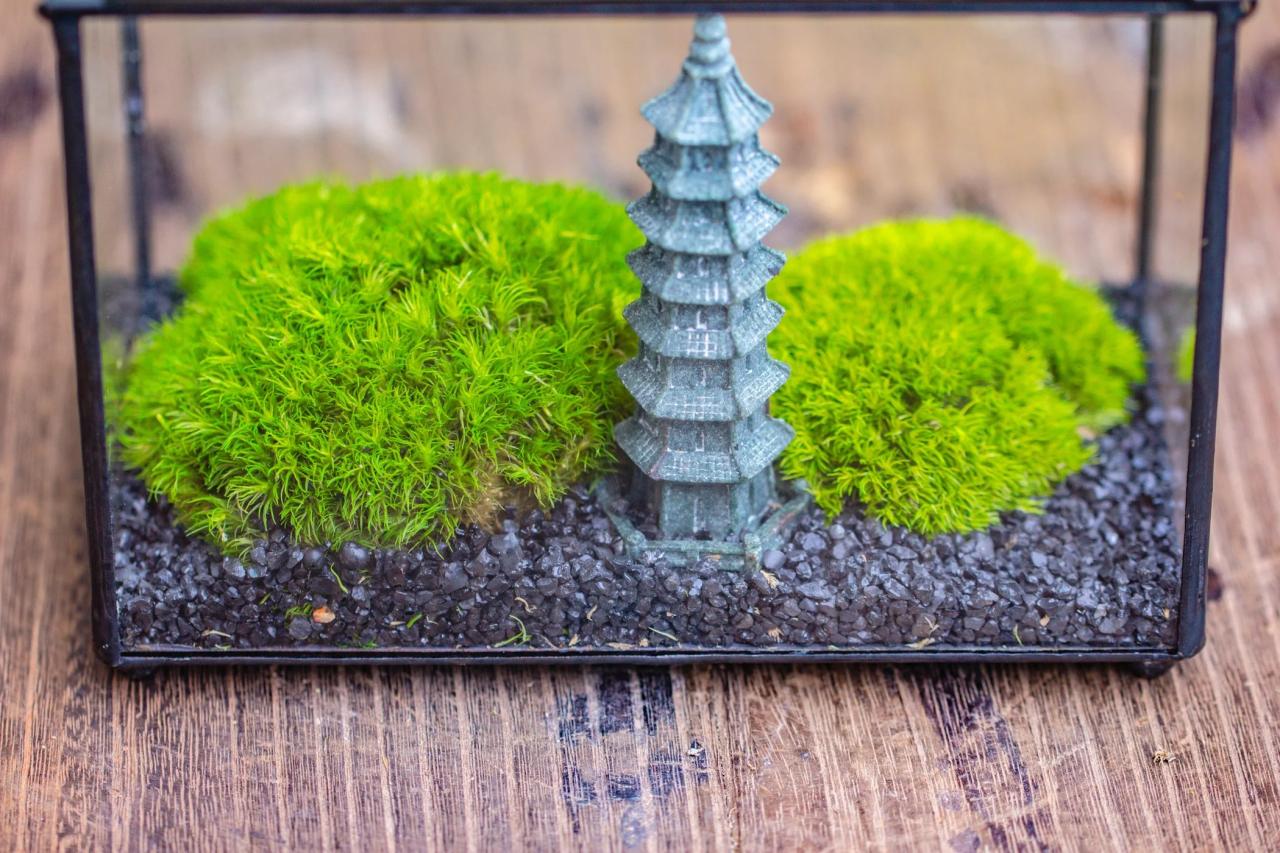
Maintaining the delicate ecosystem of a Japanese moss terrarium requires consistent attention to detail. Neglect can quickly lead to stagnation, impacting the overall health and vibrancy of the moss and the aesthetic appeal of the display. Proper watering, humidity control, and proactive pest and disease management are crucial for a thriving terrarium. Troubleshooting common issues allows for timely intervention, ensuring the terrarium remains a captivating display.
Watering Requirements
Optimal watering frequency depends on the specific moss species, environmental conditions, and the size of the terrarium. Overwatering is a common pitfall, potentially leading to root rot and fungal infections. A good rule of thumb is to allow the soil to dry slightly between waterings. Use a moisture meter to assess soil dryness before each watering. Avoid misting the moss directly; instead, water the soil thoroughly, ensuring all substrates are consistently moist but not waterlogged.
Water should drain from the bottom of the terrarium, indicating proper watering.
Humidity Control
Maintaining appropriate humidity levels is essential for the health of the moss. Japanese moss thrives in humid environments. A higher humidity level encourages healthy growth and prevents the moss from drying out. Utilize humidity trays, pebble trays, or strategically placed water containers to maintain the desired humidity levels. Monitoring the humidity levels with a hygrometer is beneficial to ensure consistency.
Consider the location of the terrarium, as some locations naturally maintain higher humidity levels than others.
Pest and Disease Prevention
Proactive pest and disease management is crucial to maintaining a healthy terrarium. Regular inspections are key to catching problems early. Examine the moss for signs of pests, such as aphids, mealybugs, or spider mites. Treat infestations with appropriate methods, such as insecticidal soap or neem oil, following the product instructions carefully. Avoid using harsh chemicals, as these can damage the delicate ecosystem.
Observe for signs of fungal growth or other diseases, which can be caused by overwatering or poor ventilation. Proper hygiene, including cleaning tools and equipment between uses, is essential to prevent the spread of pests and diseases.
Troubleshooting Common Terrarium Issues
Troubleshooting common terrarium issues allows for timely intervention, preventing further damage. If the moss appears wilted or discolored, it could indicate insufficient watering, excessive light exposure, or pest infestation. If the moss is experiencing fungal growth or root rot, it’s essential to address the issue by reducing watering frequency, improving drainage, and possibly repotting the moss. If the moss is showing signs of pest infestation, identify the specific pest and use the appropriate control method, such as insecticidal soap or neem oil.
Essential Maintenance Steps for Different Moss Varieties
| Moss Variety | Watering Frequency | Humidity Requirements | Light Exposure |
|---|---|---|---|
| Japanese moss (Hypnum plumaeforme) | Once every 7-10 days, depending on the environment. | High humidity (60-80%). | Bright, indirect light. |
| Sheet moss (Bryum argenteum) | Once every 5-7 days, depending on the environment. | High humidity (60-80%). | Bright, indirect light. |
| Spikemoss (Selaginella kraussiana) | Twice a week to once a week, depending on the environment. | Moderate to high humidity (50-80%). | Bright, indirect light. |
Inspiration and Examples
Japanese moss terrariums, a captivating blend of nature and artistry, draw inspiration from centuries-old Japanese aesthetics. These miniature landscapes evoke a sense of tranquility and mindfulness, mirroring the country’s deep-seated appreciation for natural beauty and meticulous craftsmanship. Their design philosophy transcends mere practicality, aiming to create miniature worlds that resonate with the principles of wabi-sabi, emphasizing the beauty of imperfection and the transient nature of existence.
Visual Examples of Successful Japanese Moss Terrariums
The beauty of a Japanese moss terrarium lies in its ability to evoke a sense of tranquility and serenity. Visual examples showcase the harmonious blend of materials, meticulous attention to detail, and evocative use of negative space. Successful designs often emphasize simplicity and understated elegance, rather than ostentation or complexity.
Inspiration Sources for Japanese Moss Terrarium Designs
Inspiration for these designs often stems from various sources. Traditional Japanese gardens, with their meticulously arranged rocks, gravel, and carefully placed plants, serve as a primary source of inspiration. The principles of Zen Buddhism, with its emphasis on mindfulness and contemplation, also influence the aesthetic. Furthermore, the appreciation for nature’s subtle beauty in haiku poetry often informs the design and composition.
The concept of wabi-sabi, with its acceptance of imperfection and natural processes, adds a unique dimension to the overall aesthetic.
Historical and Cultural Context of Japanese Aesthetics
Japanese aesthetics, deeply rooted in history and culture, emphasize harmony with nature and the beauty of simplicity. The concept of wabi-sabi, valuing the natural beauty of imperfections and impermanence, plays a significant role. Traditional Japanese gardens, often miniature landscapes reflecting larger natural phenomena, offer a direct connection to nature. The aesthetic also draws on Zen Buddhist principles, emphasizing the importance of mindfulness, tranquility, and contemplation.
These principles are seamlessly integrated into the design and composition of Japanese moss terrariums.
Artistic Approaches in Creating a Japanese Aesthetic
Several artistic approaches contribute to the unique Japanese aesthetic in terrariums. The careful selection and arrangement of materials, mimicking the delicate balance found in nature, is crucial. Minimalism is key, emphasizing the use of negative space to highlight the natural elements. The emphasis on asymmetry and natural forms, often seen in traditional Japanese gardens, is also prominent.
The artistic approach also involves a deep understanding of light and shadow to create a sense of depth and atmosphere.
Detailed Description of a Particular Terrarium Example
Consider a terrarium featuring a miniature waterfall cascading over a bed of moss. Small, meticulously placed rocks, reminiscent of natural riverbeds, form the base of the waterfall. A few carefully selected, low-growing plants, like ferns and miniature bamboo, are incorporated, creating a miniature forest scene. The moss itself, varying in shades of green, provides a soft backdrop, allowing the other elements to stand out.
The terrarium is positioned in a way that allows natural light to filter through, highlighting the interplay of light and shadow. The overall atmosphere evokes a sense of tranquility, mirroring the serenity of a secluded mountain stream. The composition is asymmetrical, reflecting the natural world’s inherent irregularity. This delicate balance of components creates a visually appealing and deeply satisfying miniature landscape.
Creative Exploration
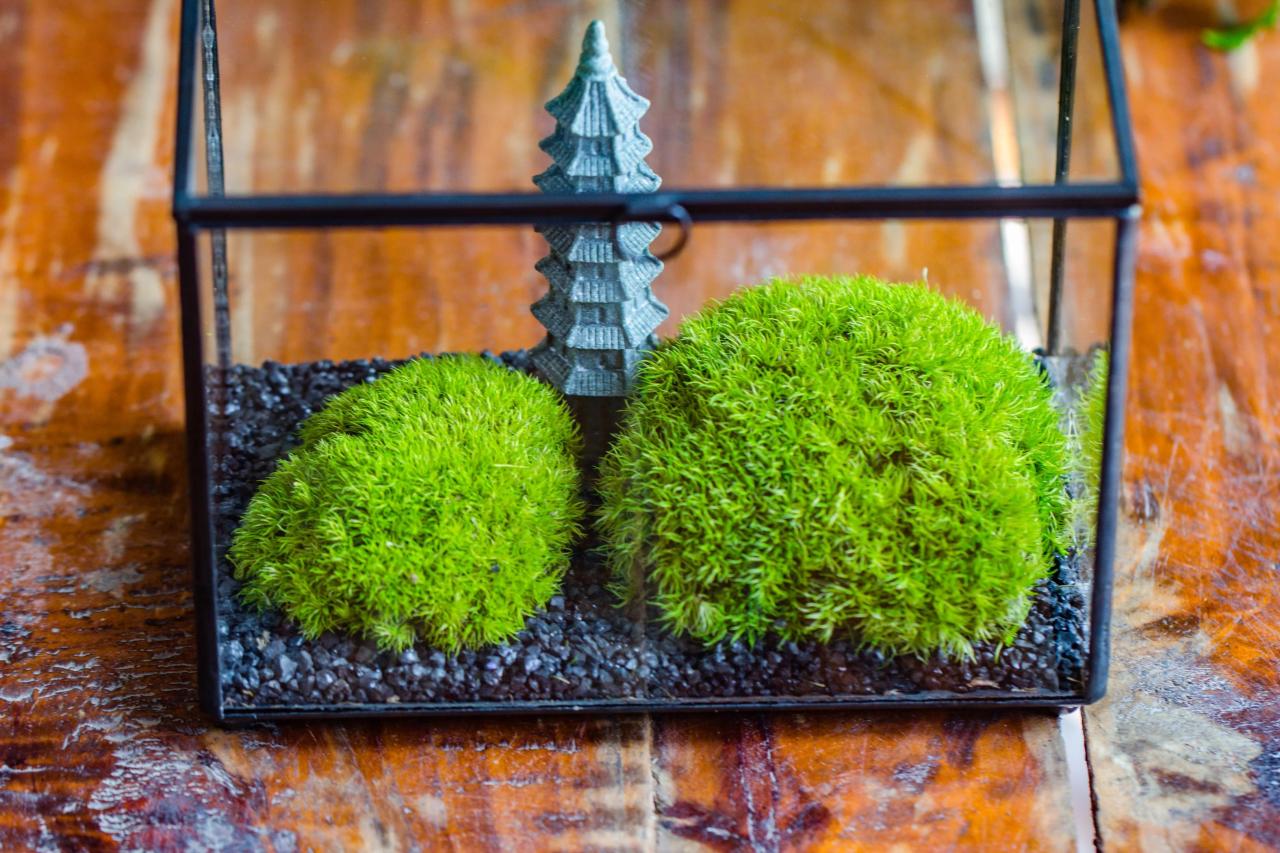
Beyond the meticulously curated aesthetics of traditional Japanese moss terrariums lies a realm of personalized expression. This exploration delves into innovative approaches, unusual elements, and the integration of personal style, ultimately crafting a unique narrative within the miniature landscape. This process allows for a deep connection between the creator and their miniature world.
Unconventional Materials
Expanding beyond standard materials like driftwood and river stones, the introduction of unexpected elements can elevate a terrarium’s visual appeal and evoke unique themes. For instance, incorporating miniature sculptures, hand-painted ceramic pieces, or carefully selected dried botanicals can imbue the terrarium with a personalized character. These choices should reflect the desired mood or theme of the miniature ecosystem.
Incorporating small, meticulously chosen figurines or miniature tools can add an element of whimsy or a sense of storytelling to the display.
Personal Style Integration
Infusing a Japanese moss terrarium with personal style is a vital step in creating a truly unique piece. This can be achieved by selecting color palettes and patterns that resonate with the individual’s aesthetic preferences. For example, a lover of vibrant colors might incorporate small, painted pebbles or a splash of colored moss, while a minimalist might opt for a subdued palette of muted greens and grays.
Personalizing the textures and shapes of the elements also allows for a distinctive touch. Using a variety of natural and man-made textures, such as polished stones, rough bark, and intricate ceramic pieces, can add depth and visual interest to the composition.
Crafting a Narrative
A Japanese moss terrarium can be more than just a beautiful display; it can serve as a vehicle for storytelling. By carefully selecting and arranging elements, the creator can evoke a particular mood, memory, or even a fictional narrative. For example, a terrarium featuring miniature houses and trees could represent a personal dream or a recollection of a favorite childhood place.
The incorporation of symbolic elements, such as miniature bridges or lanterns, can further enhance the narrative, imbuing the miniature world with a deeper meaning and emotional connection.
Distinguishing Characteristics
A unique Japanese moss terrarium stands out from the typical examples through a combination of factors. These factors contribute to the terrarium’s individuality, and are key elements in crafting a truly exceptional piece.
- Personalized Color Palettes: Deliberately selecting color schemes that deviate from conventional Japanese aesthetics, such as incorporating unexpected pops of color, can create a distinctive visual identity. This personal touch can make the terrarium stand out from the rest.
- Unconventional Materials: Incorporating unusual and surprising materials, like painted pottery, miniature sculptures, or hand-crafted elements, can transform the terrarium into a unique expression of the creator’s imagination. These choices can establish a distinct visual theme.
- Intricate Arrangement: Creating an arrangement that deviates from the traditional minimalist style, perhaps incorporating a more dynamic or complex composition, can instantly make the terrarium distinctive. A unique layering technique, or a particular emphasis on negative space, can create an individual design.
- Symbolic Storytelling: Infusing the terrarium with symbolic elements and a personal narrative creates a connection beyond mere aesthetics. The deliberate inclusion of elements evoking specific memories or themes adds depth and meaning to the display.
- Unique Lighting: Employing unique lighting techniques, such as accent lighting or specialized LED displays, can create a truly captivating and unique atmosphere, drawing attention to the intricate details and subtle variations in the terrarium’s design. Using non-standard lighting sources can enhance the visual impact of the terrarium.
Practical Considerations
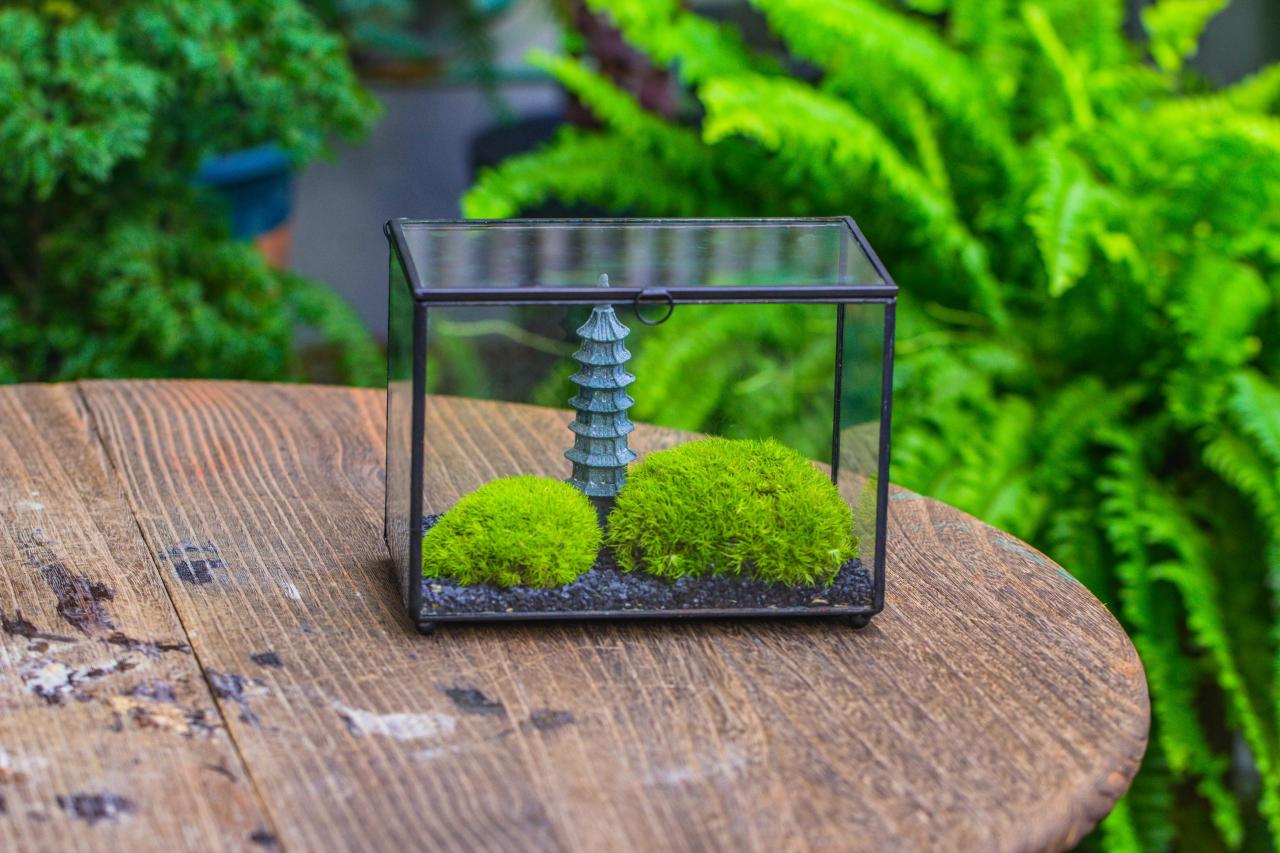
Crafting a captivating Japanese moss terrarium demands careful planning and execution. Beyond the aesthetic appeal, practical aspects like material selection, container choice, and maintenance strategies are crucial for a thriving miniature ecosystem. This section delves into the potential hurdles and solutions for creating and maintaining a successful moss terrarium, emphasizing budget-friendly options and safety considerations.
Challenges in Creation and Maintenance
Japanese moss terrariums, while visually enchanting, present specific challenges. Maintaining the delicate balance of moisture, humidity, and light within a closed system requires vigilance. Improper moisture levels can lead to mold or fungal growth, while insufficient light can stunt the moss’s growth. Additionally, the selection of appropriate materials and containers can significantly impact the long-term success of the terrarium.
Budget-Friendly Options
Creating a stunning Japanese moss terrarium doesn’t necessitate a substantial budget. Repurposed containers like glass jars, teacups, or even small decorative bowls can serve as excellent bases. For example, an old, stylish glass jar can be transformed into a miniature paradise. Furthermore, moss is readily available at various garden centers or online, often at competitive prices. Consider utilizing natural elements like pebbles, driftwood, or small branches for added texture and visual appeal.
These elements can be found at affordable prices in local craft stores.
Choosing Appropriate Containers
The selection of the container significantly influences the terrarium’s aesthetics and functionality. Clear glass containers are ideal for showcasing the moss and other elements, while opaque containers can create a more intimate and secluded atmosphere. The container’s size and shape should be carefully considered in relation to the desired composition. For instance, a tall, narrow jar is suitable for creating a vertical, layered effect, whereas a wide, shallow dish may be better for a horizontal, spreading arrangement.
Ensure the container is appropriately sized to accommodate the moss and chosen elements without being overly cramped. Furthermore, the container’s durability and resistance to moisture are critical factors to consider.
Safety and Environmental Awareness
Safety and environmental responsibility are paramount in terrarium creation. When handling soil or water, always wear gloves and ensure proper ventilation. Choose materials that are non-toxic and environmentally friendly. For example, avoid using materials that may leach harmful chemicals into the terrarium environment. Proper disposal of materials, such as the glass containers and materials used for the terrarium, is critical to reducing waste.
Always adhere to local regulations regarding waste disposal.
Importance of Proper Maintenance
Maintaining a Japanese moss terrarium requires consistent attention to detail. Regular observation for signs of excessive moisture, mold, or fungal growth is essential. Adjusting the watering schedule based on the environment’s humidity is crucial. Regular cleaning of the container and its elements helps prevent the buildup of debris, maintaining a clean and aesthetically pleasing terrarium. For instance, gentle cleaning with a soft brush or cotton swab can help keep the miniature ecosystem in pristine condition.
Beyond the Basics
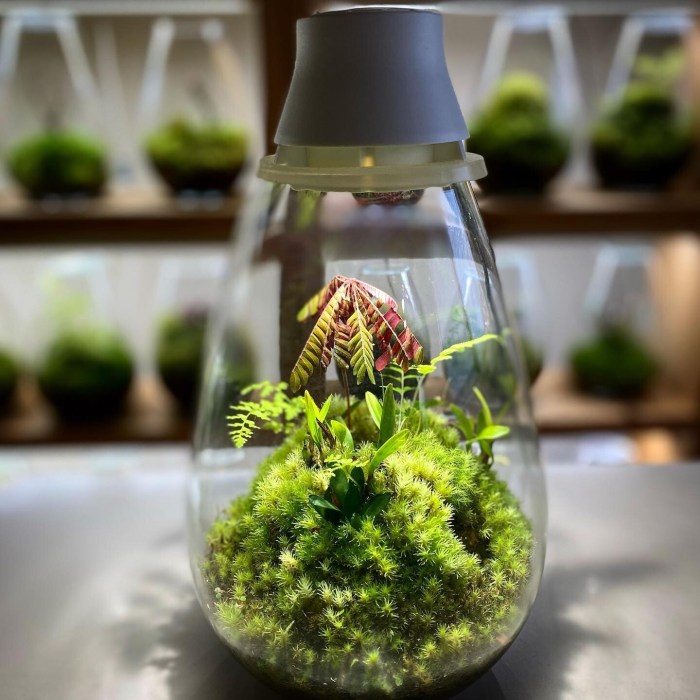
Japanese moss terrariums, more than just aesthetically pleasing miniature gardens, offer a unique pathway to mindfulness and emotional connection. Their intricate details and controlled environments create a space for contemplation and relaxation, transforming a simple hobby into a profound experience. This exploration delves into the art and meditative qualities of these captivating miniature ecosystems.
The Art of Mindfulness
Japanese moss terrariums, with their carefully cultivated miniature landscapes, serve as a powerful tool for promoting mindfulness and relaxation. The meticulous process of arranging the moss, rocks, and other elements fosters a sense of focus and intention. This meditative practice allows individuals to connect with the present moment, reducing stress and promoting a sense of calm. The process itself, much like meditation, encourages slowing down, observing details, and appreciating the beauty in the small.
Emotional Connection and Personal Expression
These miniature ecosystems cultivate a unique emotional connection. The act of creating and nurturing the terrarium becomes a personal journey, reflecting the individual’s creativity and aesthetic preferences. The miniature landscapes allow for personal expression, transforming the terrarium into a personalized space for contemplation and reflection. The ongoing care and observation of the miniature ecosystem creates a sense of responsibility and stewardship, fostering a deeper appreciation for nature and the delicate balance within it.
Creating a Calming and Inspirational Space
Terrariums can be integrated into a calming and inspirational space in several ways. Consider positioning the terrarium in a dedicated meditation or relaxation corner, or near a window to maximize natural light and the calming influence of nature. The soothing greenery and carefully curated design can contribute to a sense of tranquility and peace in the surrounding environment. By incorporating elements that evoke a sense of serenity and beauty, such as soft lighting or calming music, the terrarium can become a focal point for inspiration and mindfulness.
Examples of Inspirational Integration
A serene, minimalist aesthetic can be achieved by featuring a terrarium with predominantly grey and white tones, accented by a few strategically placed pieces of vibrant moss. Conversely, a more vibrant space could incorporate terrariums with a variety of colors and textures, including vibrant moss varieties and colorful pebbles. These visual cues can stimulate creativity and promote a sense of wonder.
Evoking Serenity
“The delicate dance of moss and stone, bathed in the soft glow of filtered light, creates a miniature world of tranquility. Within its confined space, time seems to slow, inviting contemplation and a profound connection to the beauty of the natural world.”
Final Conclusion
Crafting a Japanese moss terrarium is more than just assembling materials; it’s an act of artistic expression and mindful creation. The harmony of nature, precision of design, and tranquility they evoke elevate them beyond a simple hobby, transforming them into miniature Zen gardens. This comprehensive guide provides a roadmap to understanding the nuances of this captivating aesthetic, equipping you to cultivate your own miniature oasis of serenity.
